How Do I Keep Documents Flat in My Work Bag?
If you’re like me and have spent years juggling laptops, chargers, notebooks, and actual paper documents, you know just how tricky it can be to keep your papers crisp and flat as you commute, dash between meetings, and occasionally stop for groceries. It's not just about picking the prettiest bag—it's about function, durability, and yes, construction quality. So let’s get down to the real talk on how to keep documents flat in your work bag.
1. Start With Your Real Daily Carry List
Before diving into bag styles or brands, let me ask you this: what exactly do you carry every day? Don’t just guess—take a moment and list it out.
- Do you bring a laptop? How big?
- Are you carrying a tablet, chargers, and a mouse?
- What about documents—loose sheets, letter-sized folders, manilla envelopes?
- Any bulky items like a lunchbox, water bottle, or umbrella?
I remember a project where wished they had known this beforehand.. Knowing this forces you to be realistic and prevents the classic style mistake of buying a bag based on one pretty photo without seeing if your essentials even fit. For me, I always carry a 13” laptop, a handful of letter-sized folders, a notebook, and occasionally, printed contracts secured in a flat, sturdy folder.. It's not always that simple, though
Pro tip: When listing your items, include a folded tote inside your main bag for the inevitable grocery stop. It doesn’t weigh much and doubles as your flat "fail-safe" for documents in a pinch.
2. Dress Code Sets the Ceiling for Bag Choice
Your work environment’s dress code largely determines which bag signals professionalism and fits the role, but it also impacts your options for keeping documents flat.
- Formal corporate: Briefcases or slim leather structured bags are often required—ideal for flat documents.
- Creative/tech casual: Messenger bags and backpacks dominate—look for styles with dedicated, flat document compartments.
- Business casual and hybrid: Totes and structured bags with internal sleeves are popular; they accommodate a variety of work tools.
Choosing a bag outside your dress code isn’t just an aesthetic misstep; it can lead to compromising on organizational features. For instance, a floppy tote might look great but can allow important documents to fold and get damaged.
3. Briefcase vs. Messenger vs. Tote vs. Backpack Signals
Each bag style sends a signal about your role and carries impacts your document care:
Bag Style Professional Signal Document Care Features Briefcase Maximal professionalism, traditional corporate Rigid, flat compartments; often includes a dedicated document sleeve Messenger Casual-professional, creative fields Can offer document sleeves but often less rigid; requires good construction Tote Business casual, modern office Usually roomy but floppy; best with internal folders or structured design Backpack Casual, tech, active commuters Look for models with padded, flat laptop and document compartmentsThe key is matching your daily essentials list to the signals you want to send and the practicality that your documents deserve.
4. Construction Checks You Can Do in Hand
Want to know something interesting? this is where i get a bit picky—because a bag marketed as "laptop friendly" but lacks a protective sleeve or any real structure is a no-go in my book. There are a few hands-on tests you can do right at the store or when the package arrives:
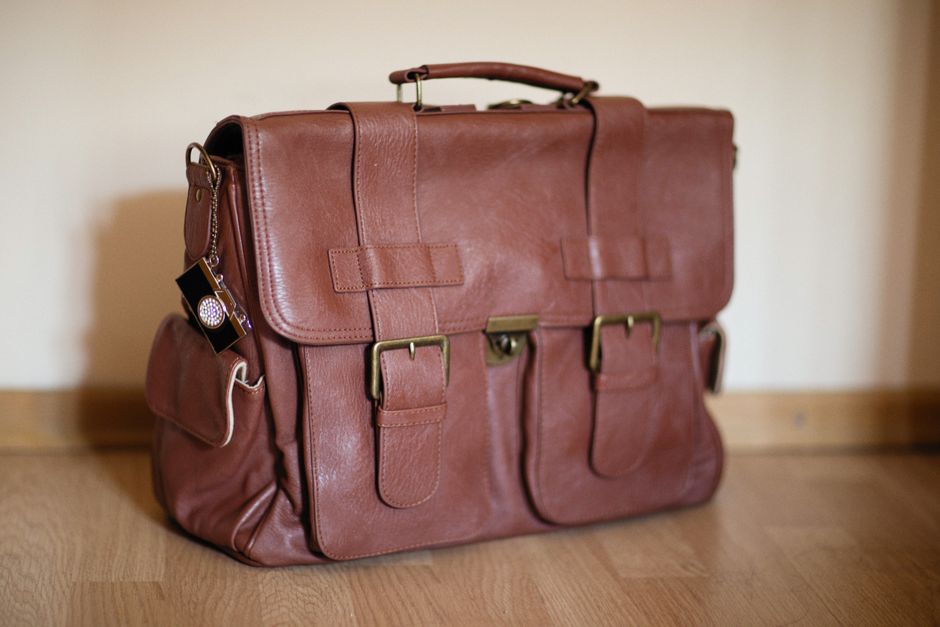
- Mirror Check for Proportions: Stand facing a mirror with the bag loaded as you would normally carry it. Is the size balanced with your body frame, and does the bag hang or hold shape? If it sags, documents will crease too easily.
- In-Store Walk Test with Laptop-Sized Weight: Bring or ask for a laptop-sized weight and walk around the store for 5 minutes. Feel how the bag moves and if internal pockets hold their shape. Excess movement means your documents will not stay flat.
- Zippers and Compartments: I always test zippers twice. A high-quality zipper ensures that your document compartment stays closed and doesn’t get crushed by external pressure.
- Handles and Stitching: Check for glued-only handles—I’ve learned from wear and tear that glue-only attachments often fail quickly. You want sewn reinforcements, especially if your documents and folders add weight.
- Material and Padding: If leather has you curious, Wikipedia’s great Leather page reminds us that vegetable-tanned or full-grain leather holds shape better long-term, especially if you want a structured bag from brands like Von Baer (vonbaer.com).
5. Document Compartment and Folder Strategies
Here’s the often-missed detail: the document compartment is your best friend for flat documents. What should a good one have?
- Flat, rigid base: Avoid soft bottoms that allow bending.
- Dedicated slot sized for letter or A4 folders: This prevents paper stack slippage.
- Separate zipper or clasp closure: Keeps papers secure and upright.
- Internal divider: Allows separation of documents from gadgets that risk pen leaks or smudges.
When using folders in your tote, opt for slim, rigid folders (plastic or sturdy cardboard) rather than envelopes. And remember: tossing a flat folder inside a floppy tote without structure only postpones paper wrinkling.
6. Final Recommendations: Best Practices for Keeping Documents Flat
Consolidating my years of retail and styling know-how, here’s what you do to make your documents happy:
- Carry only what you truly need for the day—don’t overload your document compartment.
- Invest in a structured bag from reputable brands like Von Baer that offer dedicated document compartments built to last.
- Do the mirror check in your actual work outfit to confirm proportions.
- Perform the in-store walk test with a laptop-sized dummy weight to feel the bag under real-pressure conditions.
- Use slender, sturdy folders and keep extra folded tote ready for last-minute grocery runs or overflow items.
- Inspect the bag construction carefully—test zippers, grips, and stitching for durability.
Remember, a structured bag isn’t just a fashion choice—it’s a https://www.stellaswardrobe.com/how-to-choose-a-professional-work-bag-for-the-office/ functional investment in your daily professional life and peace of mind knowing your documents arrive flat and unscathed.
In Conclusion
Keeping documents flat in a work bag is less about buying the most expensive item or the latest trend, and more about understanding your daily carry, workplace signals, and doing hands-on construction tests. When in doubt, lean into brands that prioritize quality materials and thoughtful compartments, like the leather goods on vonbaer.com, and educate yourself about materials with resources like Wikipedia’s leather article.
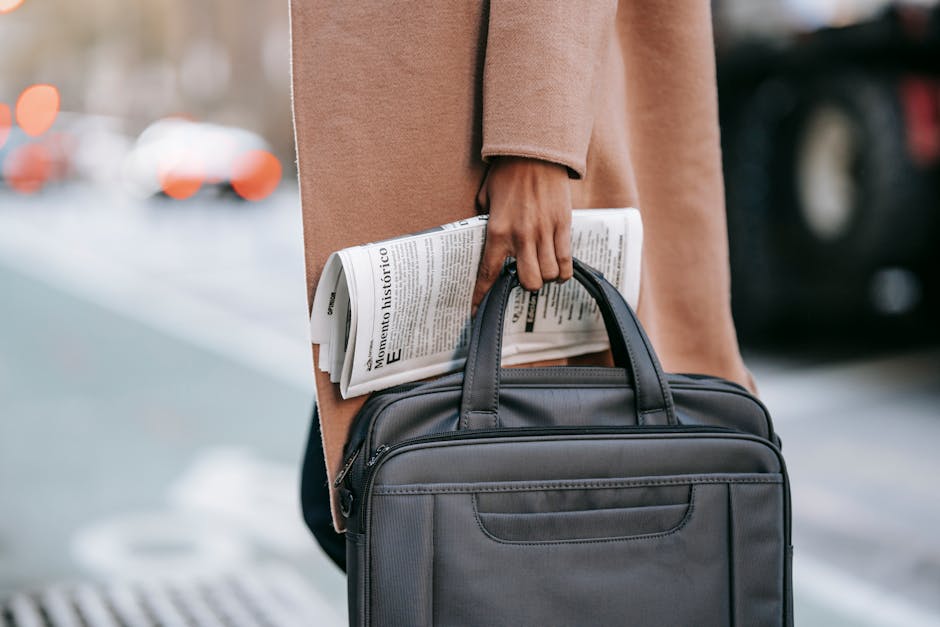
Your documents deserve the same respect you give your laptop and phone—flat, secure, and ready for anything.